Investing in Commercial Property in Australia: 2026 Guide

Anthony Alabakov
Founder/CEO
Thinking about commercial property? Learn how yields, leases, SMSF borrowing and lending work in 2026, plus the risks to weigh before you buy.
Thinking about commercial property? Learn how yields, leases, SMSF borrowing and lending work in 2026, plus the risks to weigh before you buy.
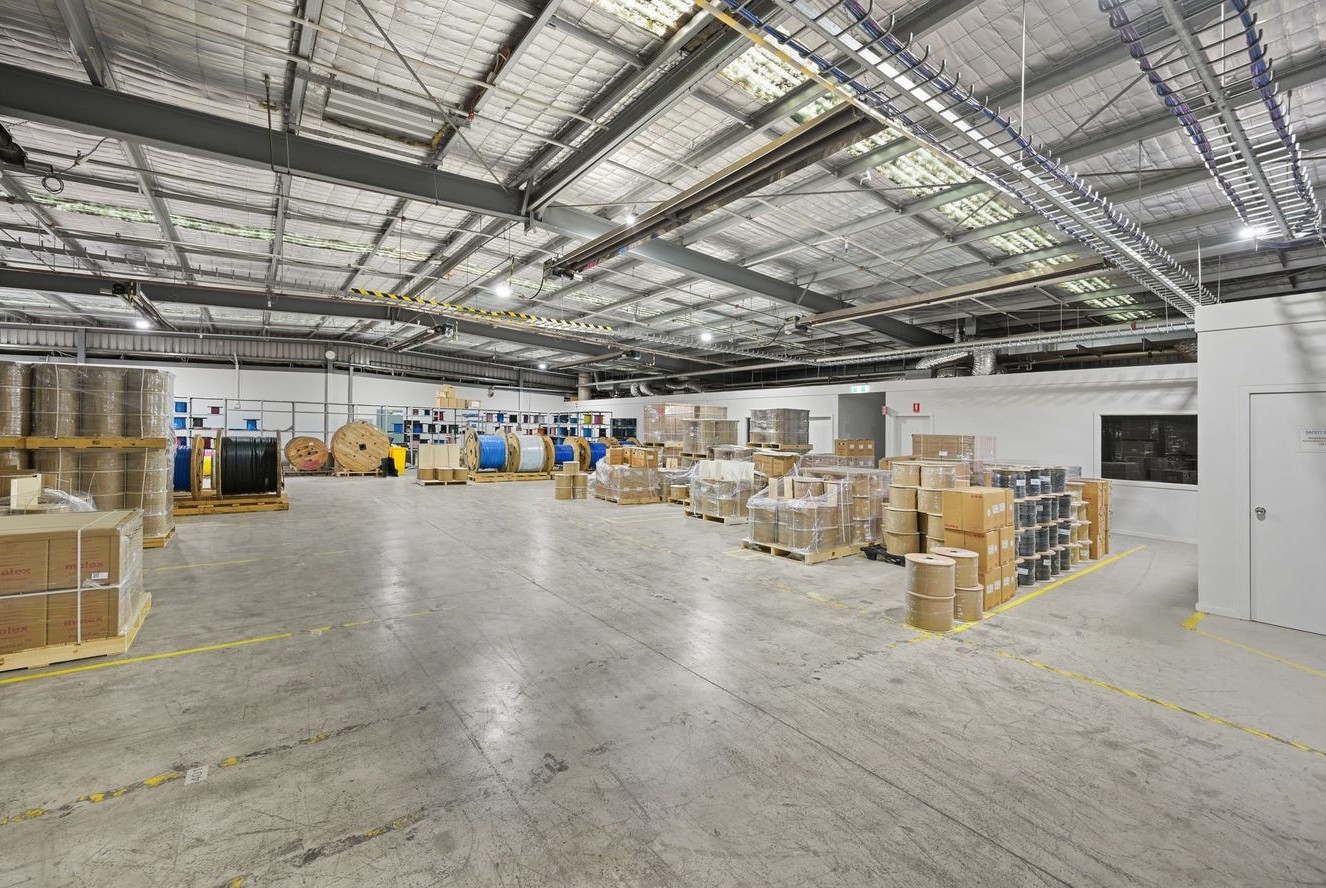
Commercial property can offer stronger rental yields, longer leases and more flexibility than residential, but it comes with bigger deposits and different risks. If you've been wondering whether it belongs in your portfolio, this guide walks you through how it works, who it suits and what to check before you buy.
Over the past few months, the conversations we're having with clients have shifted. A year ago, most investors asked about their next house or apartment. Now, more and more are asking: "Should my next property be commercial?"
It's easy to see why. The cash rate has risen four times this year to 4.60%, and residential auction clearance rates have dropped to around 45% across the capitals, down from 67% a year ago. Meanwhile, commercial leasing activity is at its strongest in a year, with Melbourne reaching a record high.
In other words, residential buyers are pulling back, but businesses are still signing leases. For investors focused on income, that's worth paying attention to.
Commercial property is any property leased to a business rather than a household. The main types are:
You don't need millions to get started. Plenty of our clients begin with a small warehouse, a shopfront or an office suite.
Residential property across Australia returns around 3.6–3.7% gross, and less in Sydney and Melbourne. Commercial can return 5–7%, depending on the sector and location. With interest rates where they are, a property that pays its own way matters more than ever.
Residential leases usually run for 12 months. Commercial leases typically run for 3–10 years, with fixed annual rent increases built in. That means more predictable income and fewer gaps between tenants.
On a net lease, the tenant usually pays costs such as council rates, insurance and maintenance. Compare that with residential, where the landlord typically covers them.
The negative gearing changes are now law. If you buy an established residential property after 12 May 2026, you can no longer offset its rental losses against your salary or other income. New builds are the exception. Commercial property isn't affected, so it can still be negatively geared. Note that the capital gains tax changes from 1 July 2027 do apply to all assets, commercial included, so speak with your accountant about your situation.
Typical gross yield: around 3.6% for residential, compared with around 5–7% for commercial.
Typical lease term: 12 months for residential, compared with 3–10 years for commercial.
Outgoings: usually paid by the landlord in residential, but often paid by the tenant in commercial.
Typical deposit: 10–20% for residential, compared with 20–40% for commercial.
Vacancy periods: usually short for residential, but they can be longer for commercial.
Since August 2026, self-managed super funds can no longer take out new loans to buy residential property. Commercial property is now the only type of property an SMSF can borrow for. SMSF trustees already favour it: commercial makes up more than 10.5% of SMSF assets, almost double the share held in residential, according to ATO figures.
For business owners, this opens up a powerful strategy. Your SMSF buys your business premises, and your business pays rent to your super fund. Instead of paying a landlord, you're building your own retirement.
There are strict rules to follow:
Get your accountant or financial adviser involved early. The structure needs to be right from day one.
Commercial isn't right for everyone, and we'd rather you go in with your eyes open.
None of these are deal-breakers. They just mean commercial rewards investors who do their homework.
Commercial lending doesn't follow the same rulebook as a home loan. A few key differences:
This is where a broker who specialises in commercial earns their keep. We know which lenders suit which deals, and we can structure the loan to fit your goals.
At My Mortgage Freedom, commercial lending is a big part of what we do, from first warehouses to SMSF purchases and business premises. If you're curious whether commercial could work for you, book a free, no-pressure chat with one of our brokers. We'll walk you through the numbers, the options and the next steps, with no jargon.
This article is general information only and doesn't take your personal objectives, financial situation or needs into account. Seek independent financial, tax and legal advice before making any investment decision.


.jpg)
.jpg)
.jpg)